

Alfred Austin, an English writer and journalist, was born in Leeds and became one of the city’s prominent figures. Known as a Poet Laureate, his tenure and contributions sparked both admiration and criticism. Austin’s poetry reflected traditional forms, focusing on themes of nature, rural life, and patriotism, drawing inspiration from Romantic and Victorian predecessors such as William Wordsworth and Alfred, Lord Tennyson. Next on leedski.
Biography of Alfred Austin
Alfred Austin was born on May 30, 1835, in Leeds. Raised in a devoutly religious household, he initially pursued a career in law. However, after inheriting some wealth, he shifted his focus to literature, a decision that proved fruitful. Allpoetry.com.
In 1861, Austin published the satirical poem The Season. Over time, his religious beliefs evolved into agnosticism, and he developed a keen interest in politics. By 1866, he was contributing to the Tory Standard, and in 1883, he became editor of the Conservative Party’s National Review. His writings often carried a strong patriotic tone.
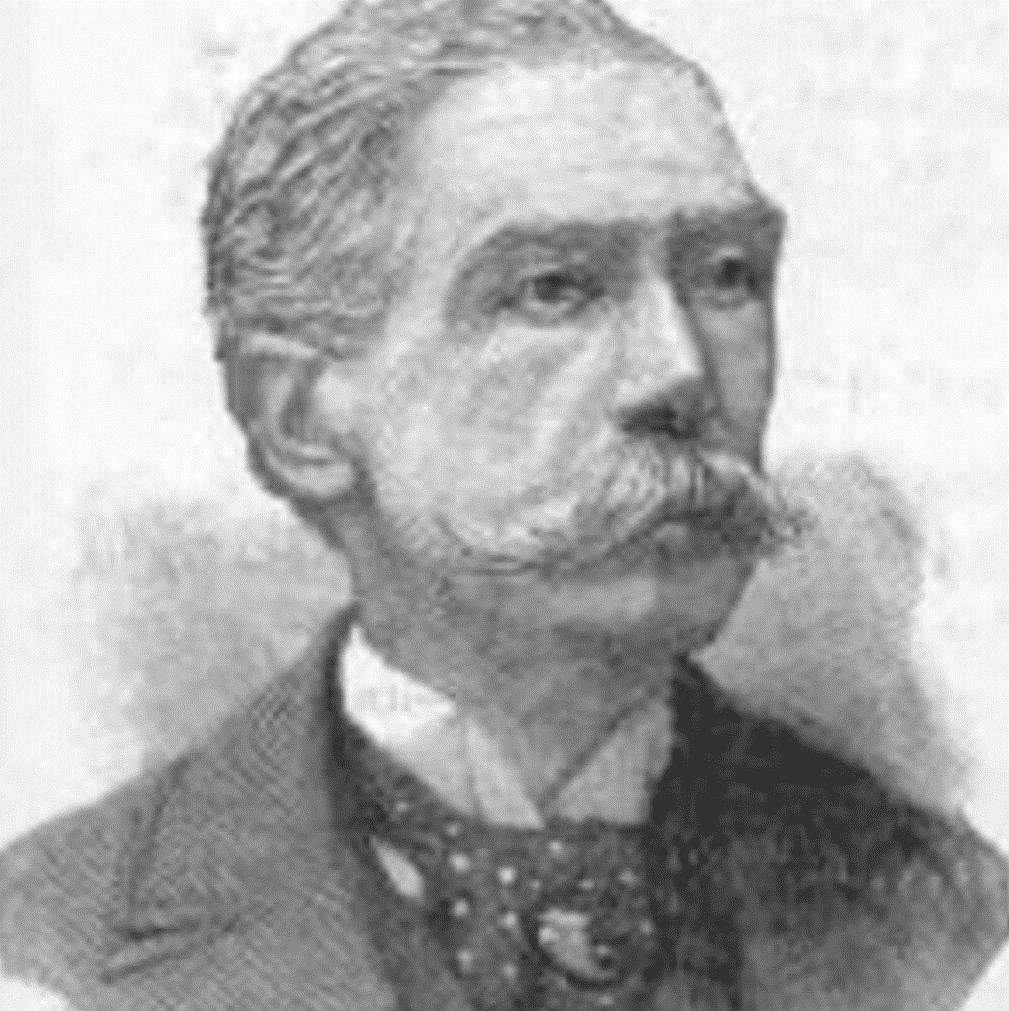
In 1896, Austin was appointed Poet Laureate, a position tied to the British monarchy and accompanied by a stipend. While this role came with no strict duties, critics often dismissed Austin’s work as mediocre, and his appointment was met with skepticism.
Despite the criticism, Austin played a significant role in shaping the literary scene of his time. His poems provide insight into the tastes and themes of the Victorian era and reflect the values and aesthetics of the period.
Austin’s Literary Style and Legacy
Austin’s body of work includes poetry, essays, critical articles, and novels. His popularity among Victorian readers stemmed from his ability to capture their emotions and aspirations. Literary scholars studying the era often examine his works to understand the cultural and artistic sensibilities of the time.
Although not universally acclaimed, Austin’s diligence and devotion to literature earned him a place in 19th-century English letters. His poetry, characterized by a romanticized view of reality, expressed a deep appreciation for nature and rural life.
Notable Facts about Alfred Austin’s Life and Work
- Extensive Literary Output: Austin authored 20 volumes of poetry between 1871 and 1908. Despite critics questioning their literary value, these works reveal his dedication to the craft.
- Controversial Laureateship: His tenure as Poet Laureate, lasting 17 years, was often ridiculed. Colleagues and commentators questioned his suitability for the role.
- Infamous Ode: Austin’s poem glorifying the Jameson Raid—a failed British-led incursion into the Transvaal Republic—was widely mocked.
- Autobiography: In 1911, he published his autobiography, providing insights into his life and the literary world of his time.
- Death: Alfred Austin passed away on June 2, 1913, at the age of 78. While his literary impact is often considered modest, he is remembered for his patriotic fervor and lyrical explorations of nature.
The Significance of Alfred Austin’s Contributions
Though Austin’s work lacks the cultural resonance of contemporaries like Rudyard Kipling, his extensive literary output offers a window into the artistic and societal values of Victorian England. His poetry’s idyllic portrayal of the countryside and patriotic themes inspired theatrical adaptations and remains a testament to his romanticized vision of the world.
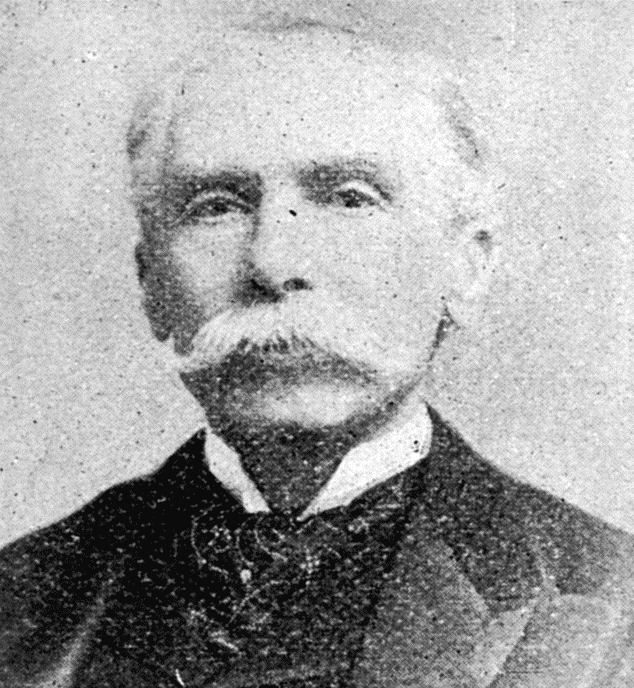
Austin’s literary criticism, often marked by a sharp tongue, reflected his passion for high standards in writing. His commitment to his craft, despite mixed reviews, underscores his resilience and love for literature.
Leeds has long been a city of cultural significance, nurturing talents like Alfred Austin, who contributed to its rich literary heritage. Poets and writers from Leeds have left indelible marks on British literature, their works celebrated for generations. Alfred Austin stands among them, a figure whose life and writings embody the artistic spirit of his city and era.