

Leeds and the surrounding region host a wealth of exciting festivals, each with its own unique character and audience. Today, we turn our attention to the Yorkshire Festival — a large-scale cultural event aimed at promoting art, music, theatre, and literature throughout the region. Read more about it on leedski.com.
The Festival’s Origins
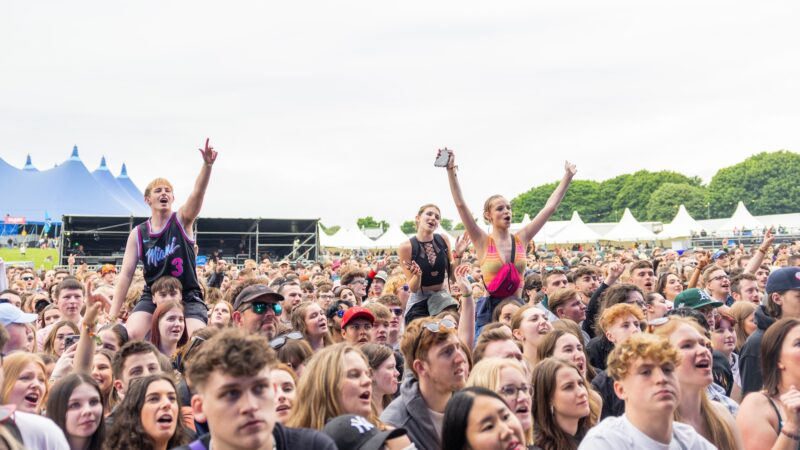
The history of the Yorkshire Festival dates back to 1974, making it one of the major cultural festivals in Yorkshire.
The idea for the festival emerged from the growing need to create a platform that would support both established and local artists, while also strengthening regional identity through culture. The vision was to establish an annual event that could bring together a wide range of art forms, encompassing both traditional and contemporary creativity.
Initially, the festival attracted around 20,000 visitors, but today the number of attendees exceeds 100,000.
A Platform for Local Talent
Over the years, the Yorkshire Festival has grown from a local music and theatre celebration into one of the most significant cultural events in Northern England. It now brings together an extensive range of activities — concerts, exhibitions, literary readings, theatre performances, and workshops — held across towns and villages throughout Yorkshire. Altogether, the programme features more than 300 events.
A major highlight of the festival is its line-up of world-class artists and ensembles, including the Bristol University Symphony Orchestra, the Yorkshire Philharmonic Orchestra, as well as renowned contemporary music performers. Just as importantly, the festival is committed to showcasing local talent, helping to nurture and develop the regional arts scene.
Another distinctive feature of the festival is its focus on interpreting and celebrating Yorkshire’s history and heritage. Museums, historic buildings, and cultural institutions actively participate by hosting themed tours, lectures, and performances that give audiences deeper insights into the region’s rich cultural past.
Among the most popular events are the literary evenings dedicated to the works of the Brontë family — iconic figures of Yorkshire’s literary history. The Brontës, a famous British literary family, included the three sisters Charlotte, Emily, and Anne Brontë, as well as their brother Patrick Branwell. All were born in West Yorkshire to the Anglican clergyman Patrick Brontë. The siblings initially wrote under pseudonyms (Charlotte as Currer Bell, Emily as Ellis Bell, and Anne as Acton Bell) before their true identities became known. Their works are renowned for blending romanticism with realism, featuring psychologically rich characters and a distinctive narrative style.
Over time, the Yorkshire Festival has not only evolved artistically but has also brought considerable financial benefits to the region. For instance, in 2023, the festival generated over £12 million for the local economy, thanks to increased tourism and cultural interest. The organisers actively champion sustainability, using eco-friendly materials, reducing waste, and working with local partners. Equally important is their focus on inclusivity, ensuring the festival remains welcoming to all generations and cultural communities.
By blending tradition with modernity, the Yorkshire Festival has become a vital cultural celebration that appeals to both local residents and visitors from across the UK and beyond.
We hope this article has provided valuable insights into the history and significance of the Yorkshire Festival.