

Leeds is an incredibly beautiful and atmospheric city, renowned for its engaging events, festivals, and concerts. Today, we turn our attention to the Love Parade — a parade of love that took place in Leeds in July 2000. You can read more about this event on the pages of leedski.com.
What You Should Know About the Love Parade in Leeds
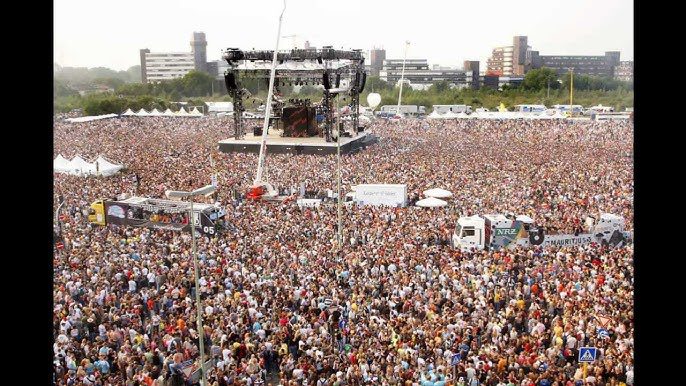
July 2000 entered the cultural history of our city as Leeds became the British stage for a unique event — the world-famous Love Parade. Notably, this was the first time in the history of this large-scale electronic music celebration that the event was held outside Germany.
It is worth highlighting that the parade in Leeds was organised in the city’s spacious Roundhay Park. This free, ten-hour festival was hosted by BBC Radio 1, gathering around 300,000 club culture enthusiasts from across the UK and Europe.
Overall, it was a true celebration of techno music and dance, featuring leading clubs such as Godskitchen, Back 2 Basics, and Slinky performing from numerous mobile stages. Additionally, well-known DJs like Dave Pearce, Dreem Teem, and Love Groove took to the decks.
The atmosphere was vibrant and joyful, with thousands of participants dressed in bright, often minimal costumes — reflecting the parade’s motto in Leeds: “Wear as little as possible and smile widely!”
The Unforgettable Experience of the Love Parade
The Love Parade left a lasting impression on the people of Leeds, as music, dance, and a shared spirit of brotherhood made the day one of the most memorable in the city’s cultural life. The event remains etched in the memories of participants and organisers alike as a grand celebration that united several hundred thousand people.
It should be noted that, since this major event, the Love Parade has not been held again in Leeds. Unlike the frequent and enormous parades in Germany, which drew crowds ranging from 800,000 to over a million visitors, the UK edition of the parade remained a one-off festival, with its longstanding tradition preserved mainly in Germany and a few other countries.
The Origins of the Love Parade
The history of the Love Parade dates back to 1989. The event began in West Berlin, initiated and founded by Matthias Roeingh, better known as Dr. Motte.
The very first parade took place on 1 July 1989 on the Kurfürstendamm street, just four months before the fall of the Berlin Wall, and attracted around 150 participants. Initially, the Love Parade carried political and social significance: against the backdrop of a divided Germany and the Cold War, it aimed to promote understanding and unity between peoples through music. Its memorable slogan at the time was, “Music knows a thousand languages and is understood by all.”
From 1989 until 2006, the parade was held annually in Berlin, growing in size and popularity — from 150 participants during the first event up to 1.5 million by 1999. Consequently, the event evolved from a local musical gathering into one of the world’s largest festivals of electronic music and techno.
After 2006, the festival began rotating between cities such as Essen, Dortmund, and Bochum. However, a tragedy occurred at the 2010 parade in Duisburg, where a crowd crush at the entrance resulted in 21 deaths and over 500 injuries, leading to the cancellation of the Love Parade in Germany.
This is the story of the Love Parade held in Leeds — a unique but one-time phenomenon. We hope our article provides you with engaging insights and a deeper understanding of this remarkable event connected to your hometown.