

Leeds, a large and multicultural city with a rich history, has become a prominent hub for celebrating diversity and inclusion through its annual Leeds Pride event. This article delves into the development of Leeds Pride and the city’s LGBTQ+ community. Next on leedski.com.
The History of Leeds Pride: How It All Began
Leeds Pride is one of the largest free Pride events in the United Kingdom. The inaugural Leeds Pride took place on August 6, 2006, under the name “Leeds Gay Pride.” The first event featured a parade through the city’s streets and a pink open-top bus. Notably, in 2000, Leeds also hosted the Hyde Out, another significant LGBTQ+ event.
Supported by the Leeds City Council and local businesses, the first Pride event attracted 6,500 participants. Over the years, attendance grew significantly, with 12,000 participants in 2009 and nearly 40,000 in 2016. That year, the event was officially renamed “Leeds Pride.”
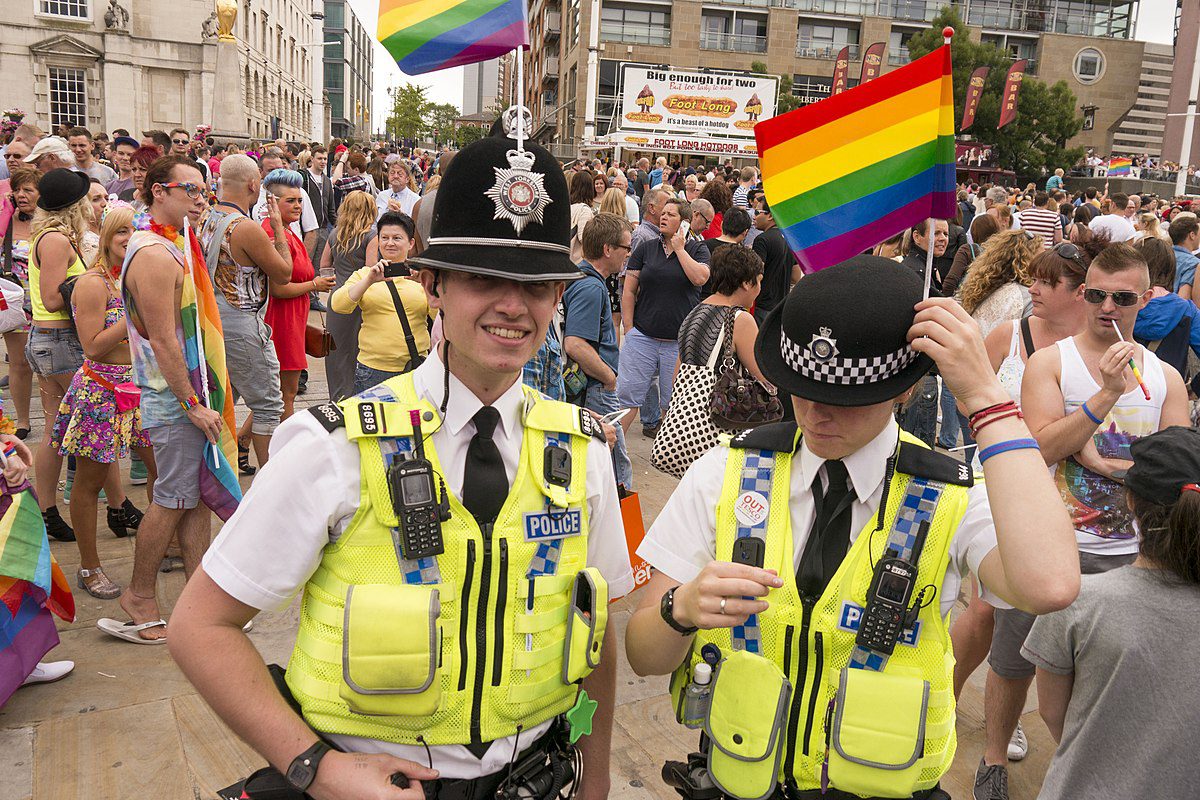
Traditionally, Leeds Pride starts at Millennium Square around 2:00 PM and concludes with a large party on Lower Briggate near The Calls. Buildings and landmarks throughout the city are adorned with the vibrant Rainbow Flag, showcasing widespread support.
The event has not only promoted inclusion but also boosted the city’s economy, with an estimated impact of £3.8 million annually.
LGBTQ+ Community in Leeds
The LGBTQ+ culture in Leeds thrives as an active community of individuals identifying as lesbian, gay, bisexual, transgender, or queer. While its visibility is celebrated today, the journey towards acceptance was gradual.
In the 1970s, Leeds was home to a number of LGBTQ+-friendly pubs and bars, particularly around The Calls and Lower Briggate, which is now known as Leeds’ “gay quarter.” One of the most notable venues, The New Penny, formerly Hope and Anchor, has been serving the LGBTQ+ community since 1953, making it one of the oldest gay bars in the UK.
Although the LGBTQ+ presence in Leeds faced challenges, such as the destruction of the Hope and Anchor in 1968, the city’s LGBTQ+ venues continued to flourish, with The New Penny becoming a symbol of resilience and community.
Advocacy for LGBTQ+ Rights in Leeds
The fight for LGBTQ+ rights in Leeds gained momentum in the 1970s with organizations like the Gay Liberation Society distributing pamphlets promoting tolerance and acceptance. Leeds also made history by hosting the first national conference for transvestites and transsexuals in 1974 at the University of Leeds, attended by 102 people.
In 1982, the city launched Lesbian Line, a telephone support service run by six women, providing a crucial resource for LGBTQ+ individuals. By the 1980s, the city saw a rise in LGBTQ+-friendly venues and initiatives.
Beyond Leeds Pride: Other LGBTQ+ Initiatives
Since the first Pride event in 2006, Leeds’ LGBTQ+ culture has continued to evolve. The city is home to vibrant political activism, particularly among university students. For instance, in 2017, students organized a protest in Victoria Gardens against anti-gay camps in Chechnya and hosted queer-focused events like the Scissors Dance Party.
The Hyde Park Book Club hosted events celebrating LGBTQ+ contributions to music, such as LGBTQ The Music 2 in 2018. In 2019, the Leeds-based Anthology Brewery launched a new beer in honor of LGBT History Month.
Additionally, Leeds promotes LGBTQ+ tourism through initiatives like a dedicated LGBTQ+ map, highlighting inclusive nightlife venues and other attractions. The iconic rainbow-painted bridge over Lower Briggate, completed in 2017, stands as a testament to the city’s commitment to equality and diversity.
Leeds Pride and the city’s LGBTQ+ culture exemplify a vibrant, inclusive community that has grown stronger over the years. From its roots in activism to its colorful celebrations today, Leeds has become a beacon of pride and progress in the UK.