

Leeds and the wider region are renowned for their wide array of events, festivals, fairs, and exhibitions. Today’s article focuses on one of the oldest and most prominent agricultural shows in the United Kingdom, held in West Yorkshire — the Yorkshire Agricultural Show, more commonly known as the Great Yorkshire Show. You can learn more about its origins and development on leedski.com.
The History of the Yorkshire Agricultural Show
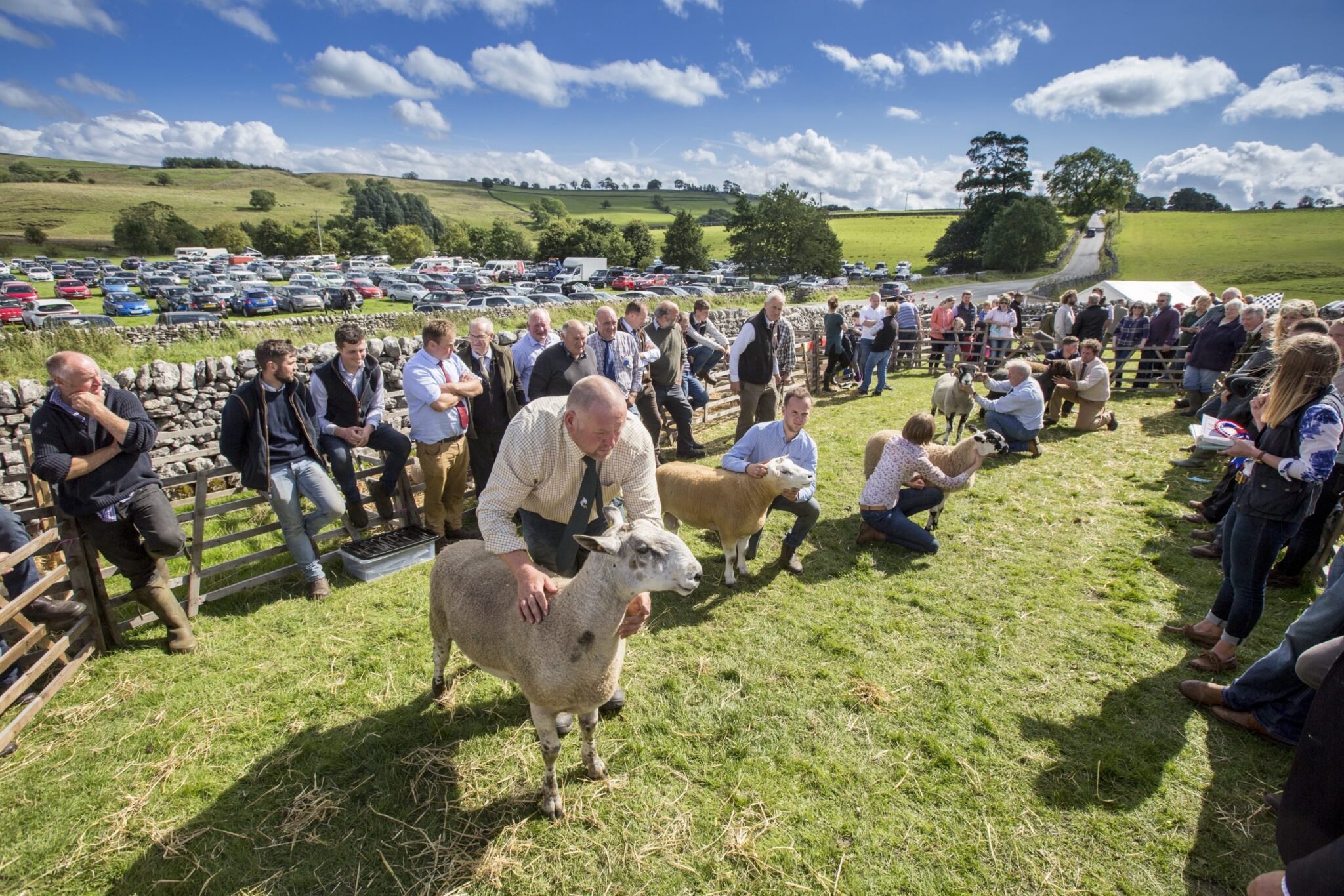
The Yorkshire Agricultural Show boasts a long and distinguished history, dating back to 1837. That year, a group of leading agriculturalists, led by the 3rd Earl Spencer, met at the Black Swan Hotel in York to discuss the future of farming. As a result, they founded the Yorkshire Agricultural Society, with the aim of advancing agriculture and hosting an annual show.
The first exhibition took place a year later, in 1838, in Fulford. Notably, by 1842, the event had attracted over 6,000 visitors — a remarkable number for that time.
It’s worth noting that during its first decade, the show had no fixed venue and travelled from town to town across Yorkshire, eventually visiting around 30 different locations.
The Development of the Show
In 1950, the organisers decided to establish a permanent home for the event. They chose Harrogate and purchased a 200-acre site for £16,500. Just a year later, the first show was held there, drawing over 54,000 visitors. From then on, Harrogate became the long-standing home of the Yorkshire Agricultural Show.
The event continued to grow in scale and popularity. In 1992, a major modernisation programme was launched, with investments exceeding £10 million. Modern conference facilities, pavilions and infrastructure were developed, transforming the show into the largest event of its kind in the North East of England, hosting around 600 events annually.
The Modern Era
Today, the Yorkshire Agricultural Show — still widely known as the Great Yorkshire Show — remains one of the UK’s most significant agricultural exhibitions. For example, in 2025, the show welcomed around 140,000 visitors over four days. Its main themes continue to include farming, livestock, agriculture, music, and entertainment. The event features national livestock competitions, state-of-the-art agricultural machinery, demonstrations of the latest agri-tech innovations, and food markets showcasing local produce.
Importantly, the show’s programme is regularly updated. In 2024, for instance, it included a photography exhibition by British Photographer of the Year Amy Bateman, live music performances featuring well-known presenters, and a wide range of talks and presentations in the innovation zone. The organisers aim to blend tradition with modernity — offering both classic livestock competitions and interactive educational activities. Visitor comfort is a priority too, with well-developed infrastructure throughout the site.
The Yorkshire Agricultural Show not only promotes agricultural heritage but also significantly contributes to Yorkshire’s economy. The event generates millions of pounds annually for local businesses, supports the tourism sector, and enhances the region’s image as a leader in agri-innovation across Europe.
We hope this article has been informative and has helped you learn more about the rich heritage of our region.