

Fanny Waterman was widely recognized among contemporary musicians, earning the title “Queen of the Piano.” What achievements granted this delicate woman, who lived a century, such acclaim, bringing renown to her hometown of Leeds? Let’s delve into her inspiring journey. Next on leedski.
Early Years of the Pianist and Career Beginnings
Fanny Waterman was born on March 22, 1920, in Leeds to a family of Jewish immigrants from the Russian Empire. Her father, a jeweler, spent his life cutting diamonds—a craft akin to Fanny’s dedication to perfecting the skills of her students, producing magical classical music under their fingers.
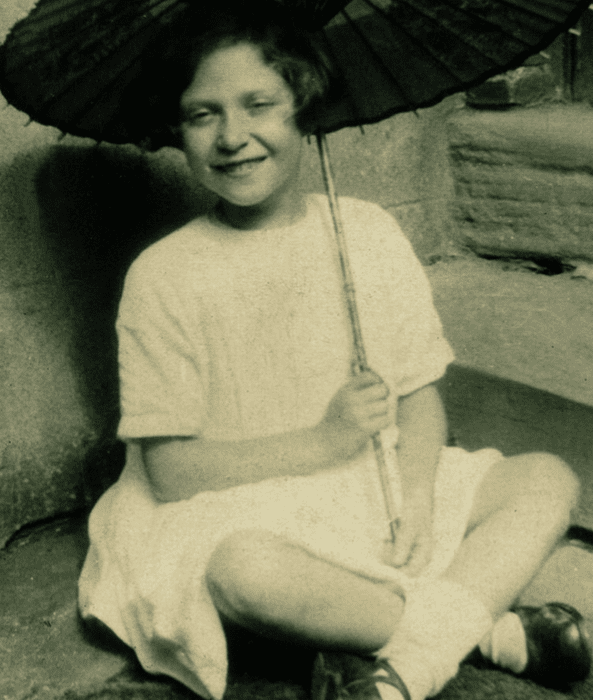
From the age of seven, Fanny began learning music. Her parents purchased an old piano, and she quickly showcased her natural talent. She played school hymns, sang in choirs, and performed at concerts with her brother, who played the violin. This passion for music left no doubt she would pursue formal training.
Fanny attended the Royal College of Music in London, studying piano under Tobias Matthay and later Cyril Smith. In 1941, she opened the Leeds Symphony Society concert season, performing Mozart with the symphony orchestra and giving solo piano recitals in packed halls. Her exceptional talent earned her the “Challen and Sons” Gold Medal and the Ellen Shaw Williams Prize for Piano.
Life During World War II
World War II interrupted Fanny’s concert career. She was called to the Women’s Territorial Army but chose to teach instead. Returning to her alma mater, she adopted the motto, “From artisan to musician, from musician to artist,” for her teaching philosophy.
Her students excelled in technique and artistry, often winning competitions. Fanny became a leading music teacher in Leeds, dedicating over 50 years to the city’s music college.
Marriage and Family Life
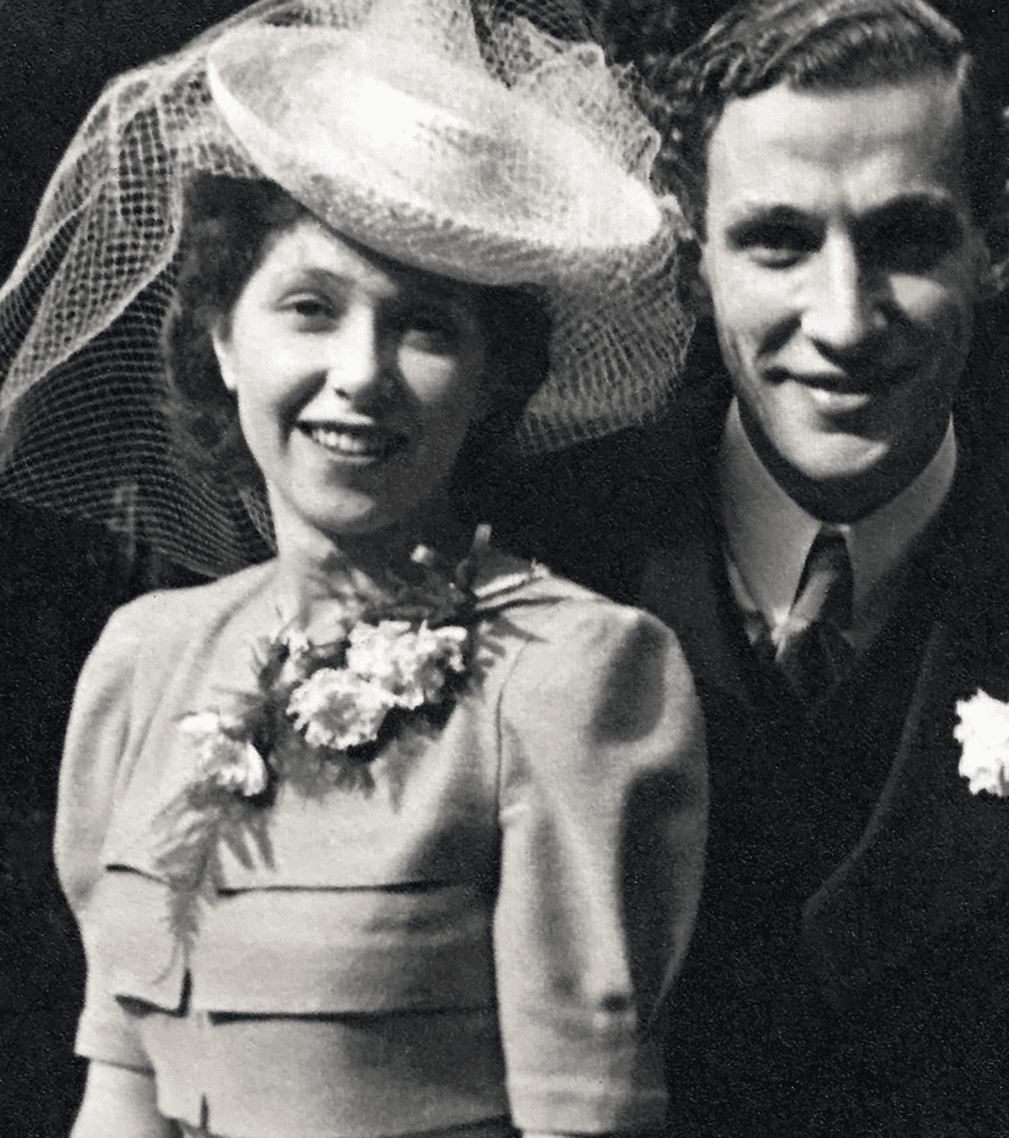
In 1941, at a Leeds concert, Fanny met medical student Geoffrey de Keyser. Three years later, they married at the Beth Hamedrash Synagogue in Leeds. Geoffrey became a general practitioner, while Fanny balanced teaching piano with performing. She opened new seasons for the Leeds Symphony Orchestra and performed duets with violinist Rosemary Rapaport. The couple had two sons: Robert, born in 1950, and Paul, born in 1956.
The 1950s and 1960s: A Shift in Focus
Fanny’s professional path evolved in the 1950s and 1960s. She transitioned from concert performances to teaching, finding immense satisfaction in guiding students. Her pedagogical talent shone as she instilled technical skill and a deep appreciation of music’s beauty in her pupils.
She was instrumental in establishing the Leeds International Piano Competition, organizing the first event in 1963. Fanny served on juries both in Britain and internationally, evaluating pianists in prestigious competitions worldwide.
Contributions to British and Global Music
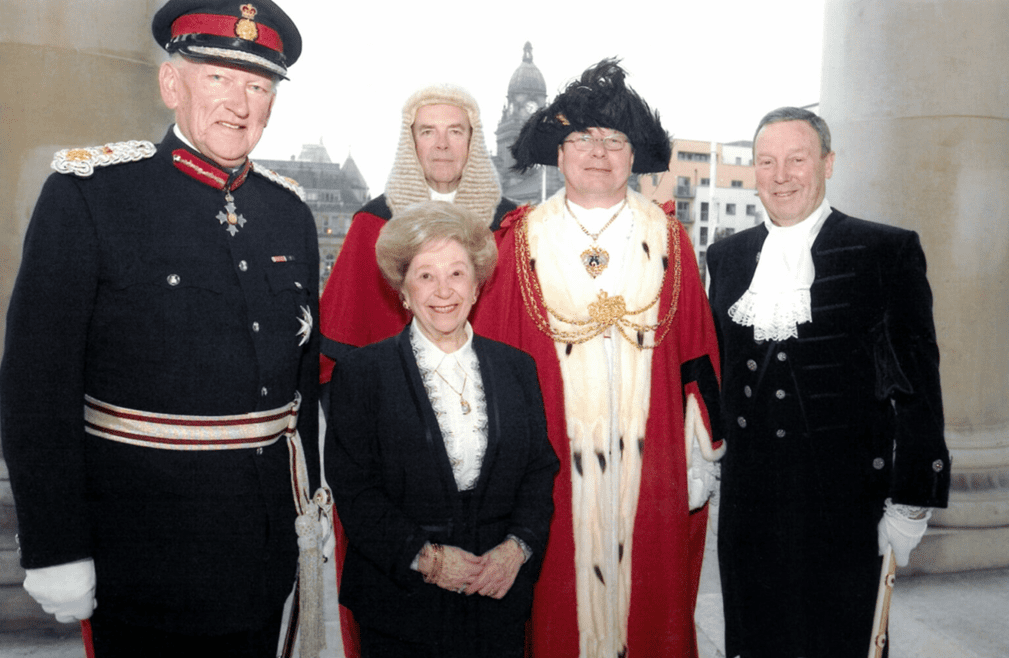
Fanny Waterman’s life was marked by extraordinary talent, dedication, and longevity. Her contributions to British and global music are unparalleled, both as a performer and a mentor to emerging musicians. She received numerous accolades, including the title of Honorary Freeman of the City of Leeds in 2005. A community center in West Yorkshire was named in her honor, celebrating her legacy.
Fanny witnessed significant historical milestones and passed away on December 20, 2020. Her legacy as an icon of Leeds and a luminary of British music remains firmly established, inspiring generations to come.