

We have often highlighted that Leeds is home to many talented and renowned individuals. The city boasts a rich cultural tapestry of artists, singers, composers, screenwriters, designers, and painters. While many moved to larger cities to pursue their careers, others stayed and contributed locally. Leeds also offers the opportunity to study at the prestigious Leeds Arts University. Today, we’ll delve into the history of this educational institution, which has nurtured many of Leeds’ gifted talents. Learn more on leedski.com.
Early Beginnings: Where It All Started
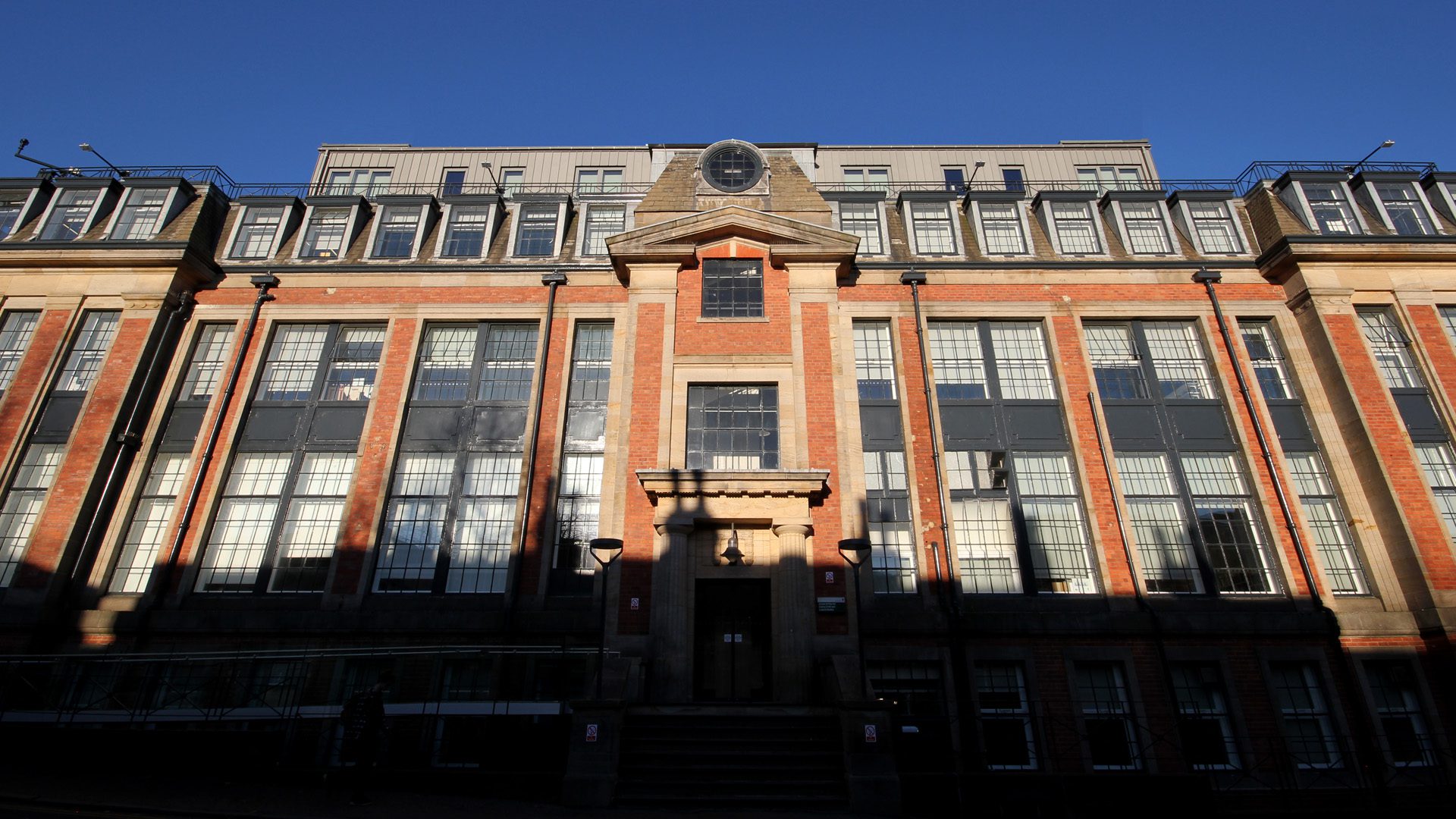
The institution’s history began in 1846 as Leeds School of Art. In 1903, the school moved to Vernon Street, where it continues to operate today.
In the 1920s, the school was renamed Leeds College of Art. By 1946, several alumni had secured positions as directors of art schools, a testament to the institution’s reputation. Over the years, the college introduced new departments, including design, furniture making, graphic design, and printing. It also built a pottery studio, workshops, and a new library in 1959.
Growth and Development
Leeds College of Art consistently evolved, becoming a centre for innovation in art education in 1955 under the leadership of Harry Thubron, head of the art department. Thubron introduced a foundational design course that revolutionised art education, forming the basis for the Foundation Diplomas still used today.
By the 1960s, the college gained recognition beyond Leeds, attracting attention from artists and creatives. Renowned artist Patrick Heron once described Leeds College of Art as the most influential art institution in Europe.
In the 1980s, the college expanded with a new building on Blenheim Walk, which underwent further renovations and extensions completed in 2019 at a cost of £22 million. These improvements included a 230-seat performance space, industrial-standard film and photography studios, a fashion design studio, postgraduate study rooms, and a modernised art library.
In 2017, the college was officially renamed Leeds Arts University, becoming the only specialist arts university in Northern England.
Notable Alumni
Leeds Arts University takes pride in its illustrious alumni, who have made significant contributions to art and culture:
- Norman Ackroyd: An English artist born in Leeds, Ackroyd studied at Leeds College of Art from 1957 to 1961 before continuing at the Royal College of Art in London. Known for his landscape works, he co-authored A Line in the Water with Douglas Dunn. Ackroyd’s works are featured in galleries across Britain and the US. He is a member of the Royal Academy of Arts and has served as a professor at the University of the Arts.
- James Bateman: An English artist and engraver who studied sculpture at Leeds School of Art from 1910 to 1914. After suffering a serious injury during World War I, Bateman turned his focus to drawing. He taught art at several institutions, including Cheltenham Art College and Goldsmiths College, and exhibited his work at the Royal Academy.
- William Charles “Diz” Disley: An Anglo-Canadian jazz guitarist and banjo player. Disley, who attended Leeds College of Art, was a skilled musician and illustrator. He played with the Vernon City Ramblers and Yorkshire Jazz Band before moving to London to join Mick Mulligan’s group.
- Trevor Winkfield: A painter and writer born in Leeds, Winkfield studied at Leeds College of Art. In the 1960s, he founded several small poetry magazines and won the Foundation for Contemporary Arts Grants to Artists award.
These are just a few of the many notable alumni who studied at Leeds Arts University. We hope this article provided you with valuable insights into Leeds’ cultural heritage and one of its most esteemed institutions.