

Leeds, one of the UK’s major cities, impresses with its scale and unique landmarks. The residents of Leeds enjoy quality leisure activities, which is why the city boasts many cultural centers, stadiums, and sports arenas. Among them, Elland Road stands out as one of Leeds’ most renowned locations. This football stadium, located in the Beeston district, has a rich history that we’ll explore in detail today. Learn more about it on leedski.com.
The Unique History of Elland Road
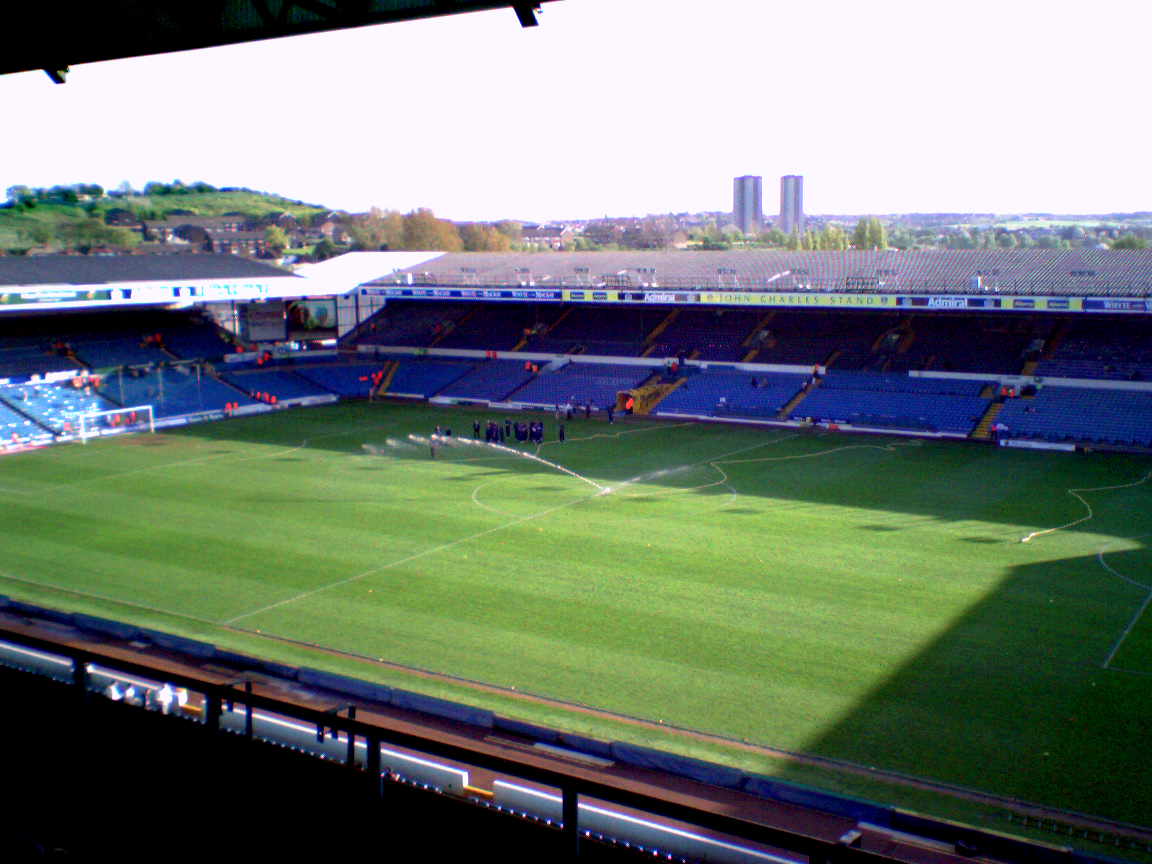
The story of Elland Road began in 1897, originally serving as a venue for rugby matches, hosting teams like the Holbeck Rugby Club and others. In 1904, Leeds City Football Club moved to the stadium and began expanding its facilities.
However, in 1919, Leeds City was dissolved, but the stadium didn’t remain idle for long. It was purchased for £250 by the newly formed Leeds United Football Club, which made Elland Road its permanent home. Since 1919, this iconic arena has been the heart of Leeds’ football scene.
Continuous Renovations
Given its origins in the 19th century, Elland Road has undergone numerous renovations and upgrades to keep up with modern standards. The stadium has seen significant updates and expansions during various periods, including the 1920s, 1953, 1971, 1994, 2006, and 2011–2012. Additionally, the stands were expanded in 1905, 1957, 1968, 1970, 1974, 1989, 1991, and 1994.
Elland Road features four main stands: the Revie Stand, East Stand, South Stand, and the John Charles Stand. The stadium has a seating capacity of approximately 37,890 and a pitch size of 105 by 68 meters.
Elland Road has also set attendance records. On March 15, 1967, 57,892 spectators watched an FA Cup match between Leeds United and Sunderland. The highest attendance for a Premier League match occurred on December 22, 2001, with 40,287 fans in attendance.
Elland Road has hosted numerous significant events, including national-level matches such as FA Cup semi-finals and international fixtures involving the England national team. It was one of eight venues for the UEFA Euro 1996 tournament, hosting three group stage matches. In 2015, it also hosted two Rugby World Cup group stage matches.
However, the stadium is not just for sports. Elland Road has also served as a concert venue, attracting tens of thousands of fans. Legendary performers who have graced the stage at Elland Road include:
- Queen: The iconic British rock band performed at the stadium in 1982 during their “Hot Space” tour, drawing a crowd of approximately 40,000.
- U2: The Irish rock band played at Elland Road during their tours in 1993 and 2001, each concert attracting around 35,000–40,000 fans.
- Happy Mondays: This cult British band held a concert at the stadium in the 1990s, attended by about 30,000 fans.
- Kaiser Chiefs: The local indie rock band also performed at Elland Road, drawing over 25,000 fans.
Elland Road is not just a sports venue; it is a part of Leeds’ history. It has become a symbol of football in Leeds, blending tradition with modern standards, and remains one of the largest and most renowned stadiums in England.
We hope you found this article insightful and learned more about your city. How often do you attend sporting matches? Share your thoughts in the comments on our social media platforms!