

Leeds, the third-largest city in the United Kingdom, is known for its rich industrial heritage, beautiful parks, museums, and historic landmarks. It is also home to vibrant festivals, concerts, parades, and carnivals. One of its most celebrated events is the Leeds West Indian Carnival, which has been held annually since 1967 and is the longest-running West Indian carnival in Europe. Here’s a closer look at its fascinating history and cultural significance. Next on leedski.com.
The Origins of the Carnival
The Leeds West Indian Carnival owes its origins to Arthur France, a student at the University of Leeds, who envisioned a Caribbean-style outdoor celebration organized by and for the Caribbean community in Europe. He initiated the first carnival, and a committee was formed to bring this idea to life.
The inaugural event in 1967 featured a Carnival Queen Show, with five participants, accompanied by musicians and dancers. Around 1,000 people attended this vibrant celebration, setting the stage for what would become an annual tradition.
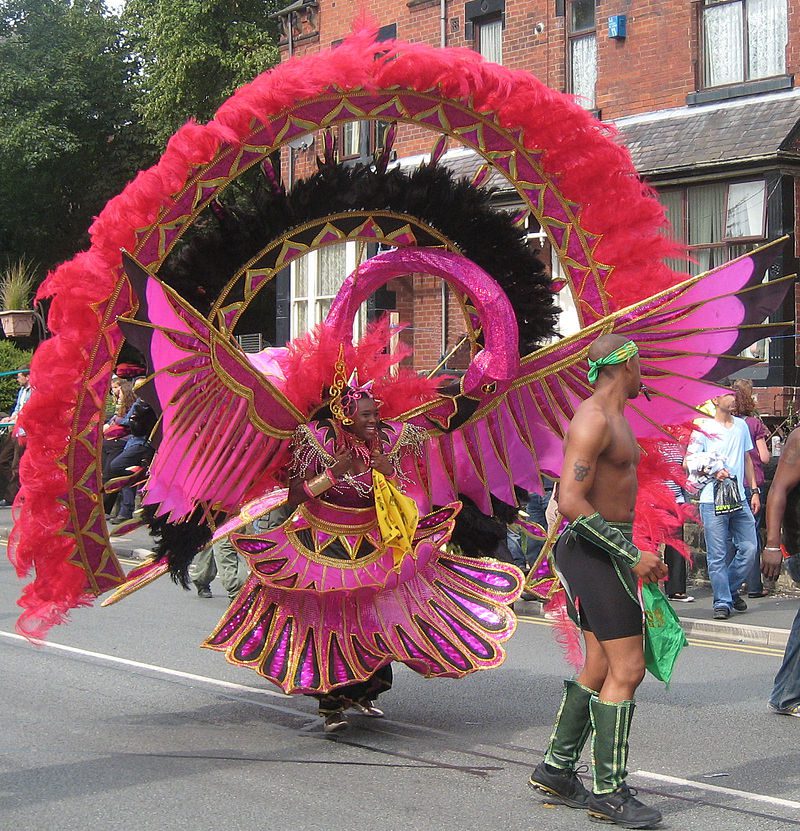
The Carnival’s Growth and Evolution
Over the decades, the Leeds West Indian Carnival has grown in size and scope.
- 1970s: The carnival procession route was established, starting and ending at Potternewton Park, passing through Leeds city centre. Steel bands on wheeled platforms added a lively musical dimension. By 1977, the carnival attracted 10,000 participants.
- 1980s: A shorter route through Chapeltown and Harehills was introduced, with funding from local organizations. This decade also saw the introduction of the Prince and Princess of the Carnival, featuring children under 13. By 1988, attendance had reached 40,000.
- 1990s: Despite setbacks, including riots in 1990, the carnival continued to flourish. In 1997, the 30th anniversary was celebrated, and Arthur France was awarded an MBE for his contributions. By the 40th anniversary in 2007, the event had grown to attract 100,000 attendees.
- 2020: For the first time in its history, the carnival was cancelled due to the COVID-19 pandemic.
Today, the Leeds West Indian Carnival—also known as the Chapeltown Carnival—is held every August Bank Holiday weekend in the Chapeltown and Harehills areas. The three-day event culminates in a grand Carnival Parade on Monday, starting and ending at Potternewton Park. Attendance has swelled to approximately 150,000 people annually.
Key highlights include:
- Carnival Queen and King Contests: Introduced in 2008, the Carnival King contest complements the longstanding Carnival Queen show.
- BBC Radio 1Xtra Collaboration: Since 2005, the carnival has been featured alongside the Notting Hill Carnival.
The carnival not only celebrates the Caribbean heritage of Leeds but also boosts the local economy. It generates an estimated £10 million annually through tourism, hospitality, and related activities.
Carnivals Through History
Carnivals are now a familiar part of global culture, offering opportunities for communities to celebrate and unwind.
The earliest recorded carnival dates back to 1094 in Venice. Initially, Venetian aristocrats showcased their luxurious attire, with masks becoming a staple feature by 1296. Over time, carnivals spread worldwide, allowing people to express creativity and joy while momentarily setting aside life’s challenges.
The Leeds West Indian Carnival is a testament to the city’s diversity, inclusivity, and community spirit. It has grown from humble beginnings into a major cultural event, drawing tens of thousands of attendees each year. Leeds continues to celebrate its Caribbean heritage through this vibrant festival, which unites people from all walks of life.