

Leeds, a vibrant and culturally rich city in the UK, is known for its unique history, stunning architecture, and lively events. Among the numerous festivals hosted in Leeds, the twin Reading and Leeds Festivals stand out as some of the most iconic annual music celebrations. Taking place simultaneously over a weekend in August, these festivals draw thousands of attendees and feature world-renowned artists. While the Reading Festival was the original event, Leeds joined the tradition in 1999, marking a new era for the festival’s legacy. Let’s dive into the fascinating history of these twin music festivals. Next on leedski.com.
Origins of the Festival
The music festival, now synonymous with Reading and Leeds, began as the National Jazz Festival, first held in 1961 at the Richmond Athletic Ground. Initially, it was a two-day event featuring exclusively jazz performers. However, as musical tastes evolved, rhythm and blues acts were added, and by 1969, jazz performances were phased out completely. The festival also expanded to three days, running from Friday to Sunday.
During the 1970s, the festival focused on progressive rock, blues, and hard rock, later embracing punk, heavy metal, and new wave acts in the 1980s. This evolution reflected the changing dynamics of the music industry and allowed the festival to remain relevant.
Challenges in the 1980s
The festival faced significant challenges during the 1980s. Local authorities banned the event in 1984 and 1985, citing plans to redevelop the festival grounds. Despite having sold tickets and booked artists, the festival was cancelled for those years. It resumed in 1986, but the hiatus highlighted the challenges of maintaining such a large-scale event.
In the 1990s, the festival struggled with declining attendance. An attempt to relocate it near Newbury under the name “Reading Festival” failed to materialize, and the event continued at its original site by the Thames in Reading. The inclusion of gothic and indie music alienated some traditional rock fans, further impacting attendance. Additionally, poor weather conditions in 1992, including severe storms, left the festival site in muddy chaos, dampening the experience for attendees.
Leeds Joins the Festival in 1999
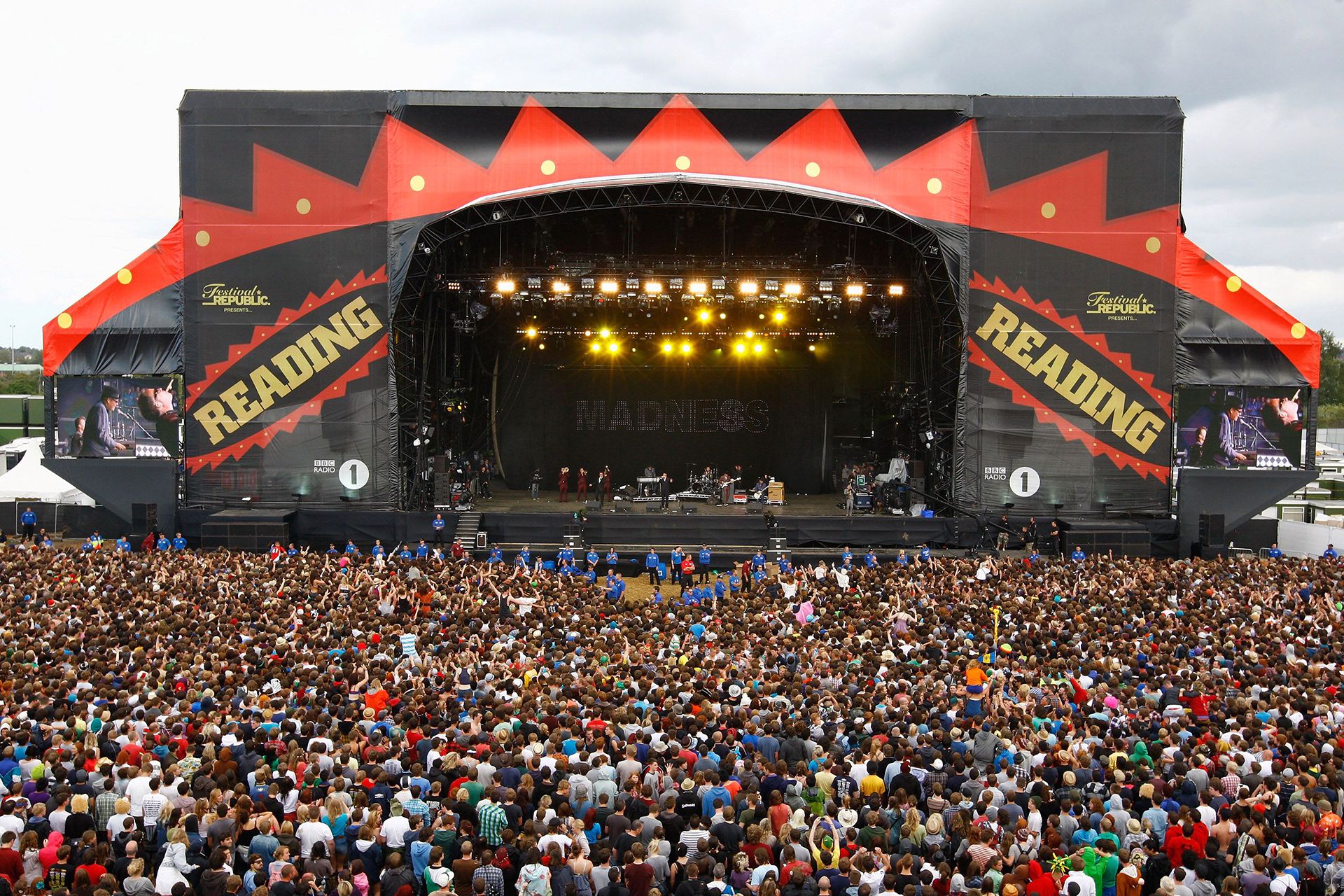
The addition of Leeds as a second venue in 1999 marked a turning point for the festival. Growing demand and popularity necessitated expanding to a second location. Leeds hosted its first event at Temple Newsam, with bands performing at the Reading site one day and in Leeds the next. Initially, the Leeds Festival ran from Saturday to Monday, while Reading maintained its traditional Friday to Sunday schedule.
By 2001, the schedule had shifted to align the line-ups between the two cities more closely, with bands alternating between the two sites. This synchronization further boosted the festival’s popularity, leading to a surge in ticket sales.
However, the Leeds Festival experienced unrest during its early years, prompting a relocation to Bramham Park, northeast of Leeds. The move provided a more secure venue and solidified the festival’s place in the city’s cultural calendar.
The festival has continued to evolve, introducing significant changes and enhancing the attendee experience:
- 2005: Main stages in both cities were upgraded with larger screens for better visibility.
- 2009: Flags and banners, a longstanding tradition since the 1970s, were banned to improve safety and ensure unobstructed views for attendees.
- 2019: Over 105,000 people attended the festivals, which featured performances by 200 artists across various genres.
In 2020, the festivals were cancelled for the first time in decades due to the COVID-19 pandemic. This unprecedented cancellation underscored the challenges faced by large-scale events during the global crisis.
The Reading and Leeds Festivals have become iconic fixtures in the UK’s music scene. They serve as platforms for emerging talent and established artists, offering attendees an unforgettable experience of live music and camaraderie. The festivals have weathered challenges, from declining attendance to logistical hurdles, yet continue to thrive and attract global attention.