

Leeds is a historic city that has long attracted directors, photographers, and camera crews. So it’s no surprise that numerous films and television productions have been shot here. Today, we’ll take a closer look at one such project — The Good Old Days, a landmark British television variety show that originated in Leeds and went on to become one of the most successful entertainment programmes in the history of the BBC. Read more about its creation and legacy on leedski.com.
How the Show Began
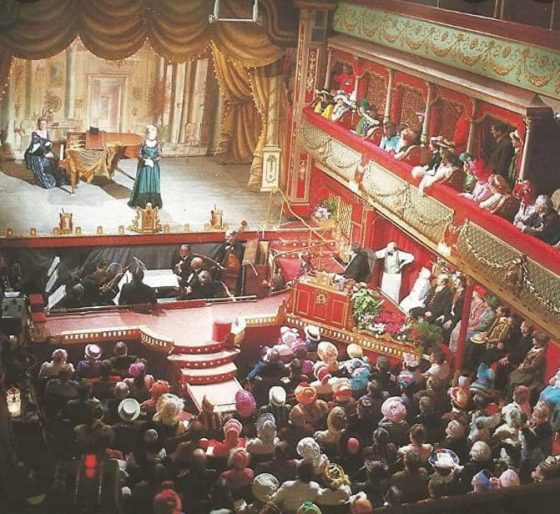
The BBC’s The Good Old Days began in Leeds in the early 1950s. It was conceived as a way to revive and celebrate the spirit of traditional British music hall entertainment — a format that had been especially popular during the Victorian and Edwardian eras.
Producer Barney Colehan proposed a programme that would re-create the atmosphere of classic theatrical performances, complete with live music, comedy, and communal sing-alongs — all adapted for television audiences.
The filming location was carefully chosen: the legendary Leeds City Varieties. This historic music hall, with its authentic interior and period stage, perfectly captured the look and feel of the era the show sought to portray. The programme’s goal was not only to entertain, but to preserve the cultural legacy of the music hall tradition and introduce it to new audiences in the post-war years.
The first broadcast, The Story of the Music Hall, aired in 1953 and received an overwhelmingly positive response, inspiring the launch of the long-running series The Good Old Days.
Leeds City Varieties itself has a fascinating history. Built in 1865 as an extension to the White Swan Inn, the venue was designed by architect George Smith at the request of Charles Thornton — a local publican and philanthropist who founded the theatre. Initially named Thornton’s New Music Hall and Fashionable Lounge, the venue was later known as White Swan Varieties, Stansfield’s Varieties, and City Palace of Varieties. Over the years, it hosted legendary performers such as Charlie Chaplin, Marie Lloyd, and Harry Houdini. Today, it holds the title of the oldest working theatre in Leeds and has earned a Guinness World Record as Britain’s longest-running music hall.
A Phenomenally Popular Show
The Good Old Days was hosted throughout its run by Leonard Sachs, whose distinctive introductions became a hallmark of the programme. Over 30 years, a total of 245 episodes were broadcast, featuring around 2,000 performers, including both British and international stars such as Barbara Windsor, Ken Dodd, Les Dawson, Arthur Askey, and Danny La Rue.
At its peak, the show attracted audiences of up to 10 million viewers, making it one of the BBC’s most popular entertainment programmes of the era. The series played a key role in shaping the nostalgic public image of Victorian music hall culture, something that greatly appealed to audiences at the time.
The final episode aired on 31 December 1983, but the show left a lasting legacy thanks to its unique format — reviving the spirit of Victorian-era music hall within the historic setting of Leeds City Varieties. Episodes were rebroadcast well into the 2010s on BBC Four, proving its enduring appeal.
Without exaggeration, The Good Old Days was one of the best-loved entertainment programmes of its generation. Its consistent popularity helped raise the profile of musical theatre in Leeds and left a significant cultural imprint.
We hope you found this article informative and learned something new about your city. Do you remember this show? We’d love to hear your thoughts in the comments on our social media — your opinion matters to us.